
Architect in India
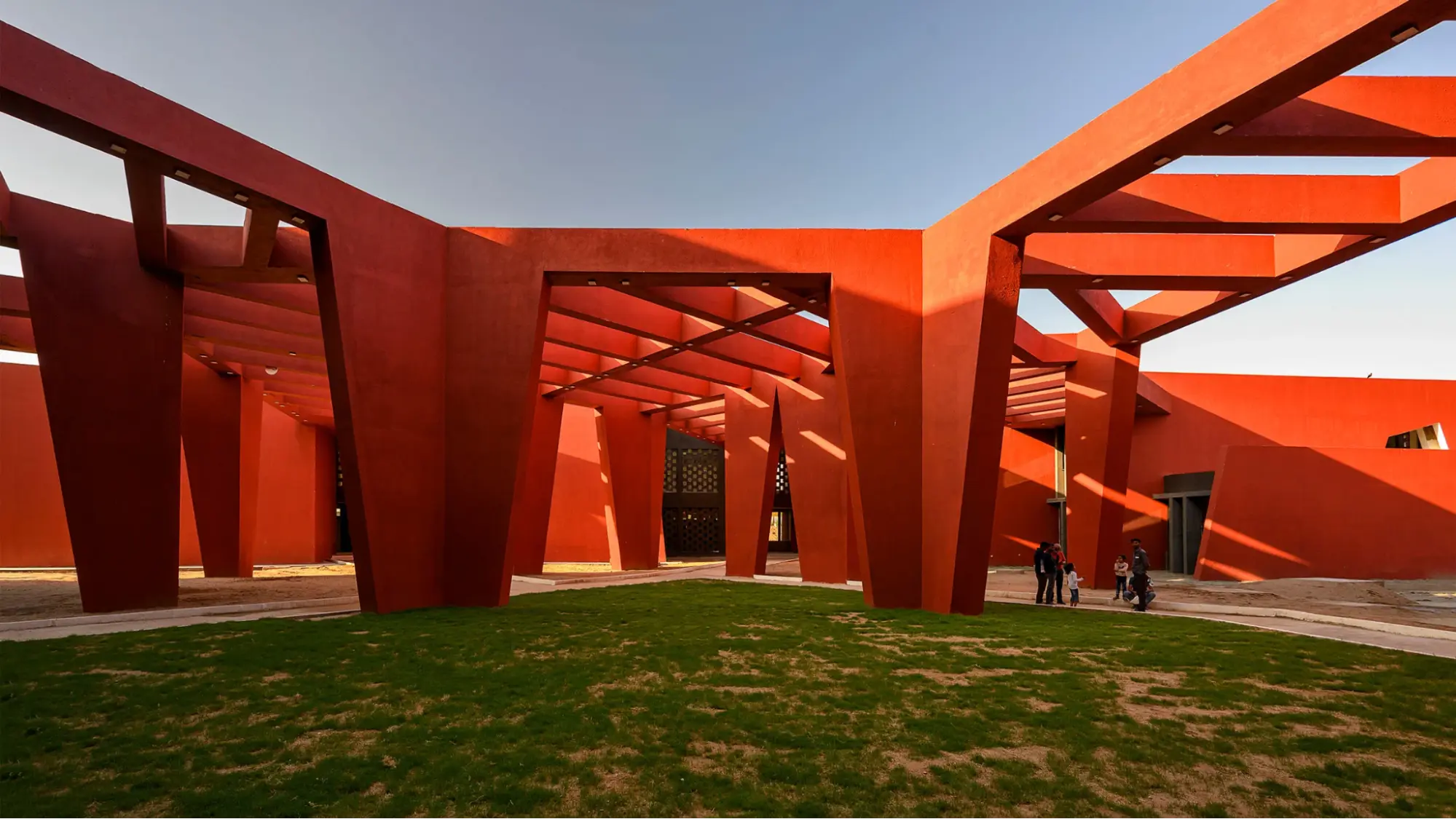
Architecture in India is more than just constructing buildings; it is about creating spaces that reflect purpose, culture, and innovation. An architect in India plays a vital role in shaping environments that are functional, aesthetically pleasing, and aligned with modern needs. From residential homes to large-scale commercial projects, architecture influences how people live, work, and interact.
In today's fast-evolving landscape, architecture is no longer limited to drawings and structures. It has become a multidisciplinary field that integrates design thinking, sustainability, and technology. Professionals like Milind Pai highlight that successful architecture revolves around three key pillars: Planning, Designing, and Execution, ensuring every project achieves both visual appeal and practical efficiency.
The Core Philosophy of Architecture
Architecture is deeply rooted in the timeless principles of Firmitas, Utilitas, and Venustas. These concepts continue to guide architects across India in creating balanced and meaningful spaces.
| Principle | Meaning | Importance in Modern Architecture |
|---|---|---|
| Firmitas | Strength | Ensures structural stability and long-term durability |
| Utilitas | Utility | Focuses on the functionality and usability of spaces |
| Venustas | Beauty | Enhances visual appeal and emotional connection |
A well-designed project is one that harmoniously blends all three elements without compromising on any aspect.
Planning, Designing, and Execution: The Foundation of Every Project
Planning
Planning forms the foundation upon which every successful architectural project is built. It sets the direction and ensures clarity before execution begins. A well-planned project minimizes risks and aligns expectations.
Key elements involved in planning:
- Understanding client requirements and vision
- Site evaluation and feasibility analysis
- Budget planning and cost estimation
- Legal approvals and compliance
Designing
Designing is where ideas take shape. It involves creativity, innovation, and attention to detail. Architects focus on creating spaces that are both functional and visually engaging.
Design considerations include:
- Layout and space optimization
- Material selection
- Lighting and ventilation
- Integration of modern design trends
Execution
Execution is where the real success of architecture is measured. Even the most innovative design must be executed with precision to achieve the desired outcome.
Execution focuses on:
- Quality construction practices
- Timely project completion
- Coordination among teams
- Maintaining design integrity
Types of Architectural Projects in India
Architects in India work across a wide range of projects, each requiring a unique approach.
Commercial Architecture
Commercial spaces are designed to enhance productivity and efficiency.
- Corporate offices
- Co-working spaces
- Business parks
Residential Architecture
Residential projects are focused on comfort, personalization, and lifestyle needs.
- Apartments and villas
- Luxury homes
- Gated communities
Hospitality Architecture
Hotels and resorts demand a combination of luxury, comfort, and operational efficiency.
- Hotels
- Resorts
- Service apartments
Retail Architecture
Retail spaces are designed to attract customers and improve shopping experiences.
- Showrooms
- Shopping malls
- Boutique stores
Overview of Project Types and Key Focus Areas
| Project Type | Primary Focus | Key Design Considerations |
|---|---|---|
| Commercial | Productivity | Space efficiency, branding |
| Residential | Comfort & Lifestyle | Privacy, aesthetics, functionality |
| Hospitality | Experience & Luxury | Ambience, flow, guest comfort |
| Retail | Customer Engagement | Visibility, layout, footfall flow |
Architectural Interior Design in India
Architectural interior design is a unique blend of structure and aesthetics. It ensures that the interiors complement the overall architectural vision.
This field has gained significant importance in cities like Mumbai, where space optimization and visual appeal go hand in hand. Interior designers work closely with architects to create spaces that are cohesive and functional.
Benefits of architectural interior design:
- Seamless design consistency
- Better utilization of space
- Enhanced user experience
- Improved aesthetics
Modern Trends Shaping Architecture in India
India's architecture sector is evolving quickly with modern advancements and ideas. Today's architects are adopting innovative and non-traditional approaches to meet changing demands.
Some key trends include:
- Sustainable and eco-friendly designs
- Smart homes and automation
- Minimalist architecture
- Adaptive reuse of existing structures
These trends are redefining how spaces are designed and experienced, making them more efficient and future-ready.
Qualities of a Top Architect in India
Choosing the right architect can significantly impact the outcome of your project. The best architects in India share certain defining qualities.
- Strong design and technical expertise
- Experience across diverse projects
- Attention to detail
- Innovative thinking
- Client-focused approach
Professionals like Milind Pai are known for their commitment to excellence, combining traditional principles with modern innovation to deliver outstanding results.
Why Hiring a Professional Architect is Important
Many people underestimate the value of hiring a professional architect. However, their expertise ensures that every aspect of the project is handled efficiently.
Benefits include:
| Benefit | Description |
|---|---|
| Expert Planning | Ensures efficient use of space and resources |
| Cost Optimization | Helps avoid unnecessary expenses |
| Compliance | Meets legal and safety requirements |
| Quality Assurance | Maintains high construction standards |
| Long-Term Value | Enhances property worth and usability |
The Future of Architecture in India
The future of architecture in India looks promising, driven by innovation and sustainability. Architects are increasingly focusing on creating spaces that are environmentally responsible and technologically advanced.
Emerging developments include:
- Green buildings and energy-efficient designs
- Use of AI in design and planning
- Modular construction techniques
- Focus on wellness-oriented spaces
As urbanization continues to grow, the role of architects will become even more crucial in shaping sustainable and livable environments.
Conclusion
Architecture in India is a dynamic field that continues to evolve with time. A skilled architect in India understands the importance of balancing planning, designing, and execution while staying true to the core principles of strength, utility, and beauty.
Whether it is a residential project or a large commercial development, the success of any space lies in its ability to meet functional, aesthetic, and environmental needs. With the right expertise and vision, architects can transform ideas into spaces that truly enhance the way people live and work.