
Best Color Combinations for Home Interiors
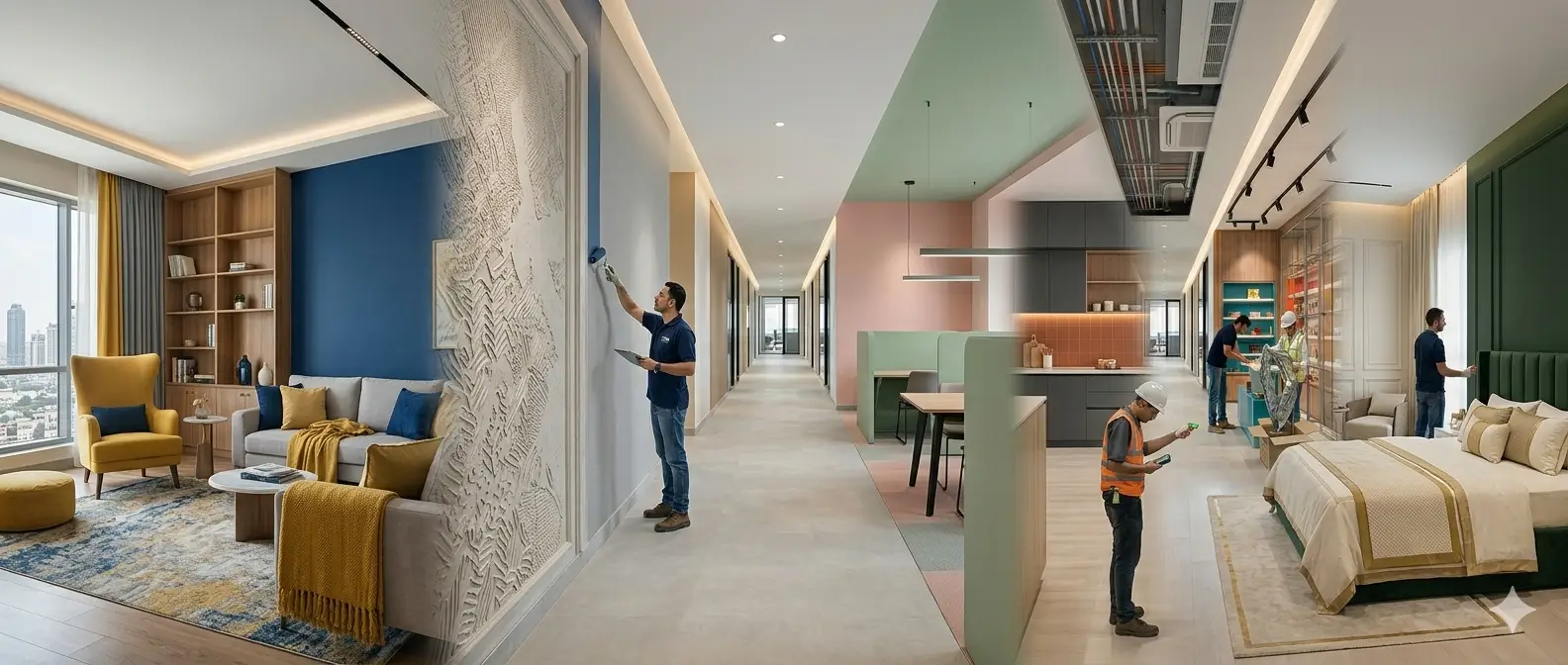
Choosing the right color combinations for home interiors is one of the most important aspects of designing a beautiful and functional space. Colors influence mood, perception, and even how large or cozy a room feels. Whether you are renovating your home or designing a new one, selecting the right palette ensures a cohesive and inviting atmosphere.
This guide covers everything you need to know—from basic color theory to room-wise recommendations, practical tips, and trending combinations—to help you create interiors that reflect your personality while maintaining balance and harmony.
Why Color Combinations Matter in Interior Design
Color is more than just aesthetics. It shapes the emotional tone of your home and enhances functionality.
- It influences mood and behavior
- It creates visual harmony and flow
- It highlights architectural features
- Colors influence how rooms appear in size and brightness.
For instance, lighter shades can make a small room feel spacious, while darker tones can add depth and warmth to larger areas.
Understanding Basic Color Theory
Before diving into combinations, it’s essential to understand how colors work together.
Color Wheel Basics
The color wheel helps visualize relationships between colors.
| Type | Colors | Description |
|---|---|---|
| Primary | Red, Blue, Yellow | Fundamental hues that are not produced through blending. |
| Secondary | Green, Orange, Purple | Formed by mixing primary colors. |
| Tertiary | Red-orange, Blue-green, etc. | Mix of primary and secondary colors. |
Popular Color Schemes
- A palette built from different tones, shades, and intensities of one hue creates a unified and seamless visual effect.
- Analogous: Colors next to each other on the wheel for a harmonious feel
- Complementary: Opposite colors for high contrast and vibrancy
- Triadic: Three evenly spaced colors for balanced contrast
- Tetradic: Two complementary pairs for rich and dynamic palettes
Understanding these schemes helps you mix and match colors confidently.
Key Factors to Consider Before Choosing Colors
Selecting color combinations for home interiors requires more than just picking your favorite shades.
Room Purpose
Different rooms serve different functions, and colors should support that purpose.
- Bedrooms: calming and restful tones
- Living rooms: warm and welcoming hues
- Kitchens: clean and fresh colors
- Offices: focus-enhancing shades
Natural and Artificial Lighting
Lighting significantly impacts how colors appear.
- Natural light enhances true color tones
- Warm lighting softens colors
- Cool lighting sharpens contrasts
Evaluate color swatches across varying illumination settings before making a final choice.
Room Size
- Light colors make small spaces appear larger
- Dark colors create intimacy in large rooms
Existing Furniture and Decor
Your color palette should complement furniture, flooring, and decor elements rather than clash with them.
Personal Preference
Personal Preference Ultimately, your home should reflect your taste. Choose colors that make you feel comfortable and happy.
Best Color Combinations for Home Interiors
Here are some timeless and trending combinations that work across different home styles.
Neutral and Minimalist Combinations
Subtle tonal schemes offer flexibility and maintain timeless appeal.
| Combination | Effect | Ideal For |
|---|---|---|
| White + Beige | Clean and warm | Living rooms, bedrooms |
| Grey + Taupe | Sophisticated | Modern homes |
| Cream + Soft Brown | Cozy and elegant | Family spaces |
These combinations act as a perfect base for layering textures and accents.
Bold and Vibrant Combinations
To create a striking impact, vibrant hues serve as an excellent choice.
| Combination | Effect | Ideal Use |
|---|---|---|
| Blue + Orange | Energetic contrast | Accent walls |
| Red + Yellow | Warm and lively | Dining areas |
| Teal + Mustard | Trendy and vibrant | Living rooms |
Use bold colors sparingly to avoid overwhelming the space.
Cool Color Combinations
Cool tones bring calmness and serenity.
| Colors | Effect | Best Rooms |
|---|---|---|
| Blue + White | Peaceful and airy | Bedrooms |
| Green + Grey | Balanced and natural | Living rooms |
| Lavender + Soft Blue | Relaxing | Bathrooms |
Warm Color Combinations
Warm tones make spaces feel inviting and cozy.
| Colors | Effect | Best Rooms |
|---|---|---|
| Terracotta + Cream | Earthy and warm | Living rooms |
| Mustard + Brown | Rich and cozy | Dining areas |
| Peach + Beige | Soft warmth | Bedrooms |
Pastel Color Combinations
Pastels are perfect for creating light and soothing interiors.
| Colors | Effect | Ideal For |
|---|---|---|
| Blush Pink + White | Soft and romantic | Bedrooms |
| Mint Green + Grey | Fresh and airy | Kitchens |
| Baby Blue + Beige | Calm and gentle | Kids' rooms |
Room-Wise Color Combinations for Home Interiors
Living Room Color Combinations
The living room is the heart of your home and should feel welcoming.
- Beige walls with navy blue accents for a modern look
- Soft grey with mustard yellow for warmth
- White with pastel accents for an airy vibe
Kitchen Color Combinations
A kitchen should feel clean, functional, and timeless.
- White cabinets with grey countertops and light blue backsplash
- Dark green cabinets with brass hardware and white walls
- A monochrome palette delivers a refined, contemporary aesthetic.
Bedroom Color Combinations
Bedrooms should promote relaxation and comfort.
- Light blue with white and grey bedding
- Blush pink with cream and gold accents
- Sage green with neutral tones for a natural feel
Bathroom Color Combinations
Bathrooms benefit from fresh and clean palettes.
- White with soft green accents for a spa-like feel
- Turquoise with chrome fixtures for brightness
- Grey and white for a contemporary look
Dining Room Color Combinations
Dining areas can handle bold and dramatic tones.
- Burgundy or wine with neutral accents
- Navy blue with gold detailing
- Olive green with wooden textures
Home Office Color Combinations
Productivity-focused spaces need balanced tones.
- Blue and white for focus and clarity
- Neutral tones with subtle accents
- Green for a calming and refreshing environment
How to Implement Color Combinations Effectively
Choosing the right colors is only half the job; execution matters just as much.
Paint and Walls
- Use a dominant color for walls
- Add accent walls for depth
- Consider matte or satin finishes, depending on the room
Textiles
Introduce colors through:
- Curtains
- Rugs
- Cushions
- Upholstery
This allows flexibility without permanent changes.
Accessories
Decor items can add pops of color effortlessly.
- Artwork
- Vases
- Lamps
- Decorative pieces
Furniture
Furniture can anchor your color palette.
- Neutral sofas with colorful cushions
- Painted cabinets for contrast
- Wooden elements for warmth
Common Mistakes to Avoid
Even the best color combinations for home interiors can fail if not executed properly.
- Using too many colors without a clear palette
- Ignoring lighting conditions
- Overusing bold colors
- Not testing paint samples beforehand
- Mismatching undertones
Consistency and balance are key.
Tips for Creating a Cohesive Color Palette
- Follow the 60-30-10 rule
-
- 60% dominant color
- 30% secondary color
- 10% accent color
- Stick to a consistent undertone
- Repeat colors across rooms for flow
- Use neutrals as a base and layer with accents
Trending Color Combinations for Modern Homes
Interior design trends continue to evolve, but some combinations remain popular.
- Earthy tones like terracotta, olive, and beige
- Monochrome palettes with texture variation
- Jewel tones like emerald, sapphire, and burgundy
- Soft pastels combined with natural materials
These trends balance aesthetics with practicality.
Final Thoughts
Selecting the best color combinations for home interiors is about creating a balance between aesthetics and functionality. From understanding color theory to choosing room-specific palettes, every decision contributes to the overall ambiance of your home.
Neutral bases paired with bold accents, calming tones for private spaces, and vibrant hues for social areas can transform your interiors into a cohesive and inviting environment. Always consider lighting, room size, and personal preferences to ensure your space feels both stylish and comfortable.
A well-thought-out color scheme not only enhances the visual appeal of your home but also reflects your personality and lifestyle.