
Home Design by Vastu Shastra
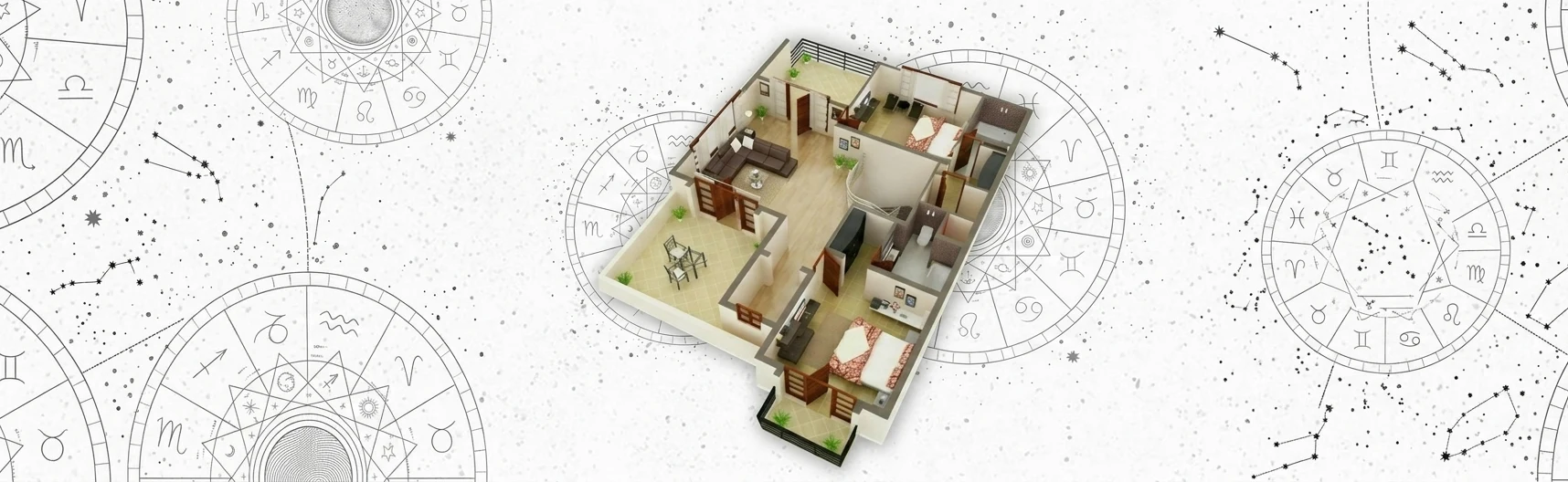
Home design by vastu shastra is deeply rooted in ancient Indian architecture and philosophy. It focuses on aligning living spaces with natural forces to promote harmony, prosperity, and well-being. In modern India, vastu principles are widely integrated into home design, whether for apartments, villas, or independent houses.
By combining traditional wisdom with contemporary design, vastu-based homes aim to create a balanced environment that supports physical, mental, and emotional wellness. This guide covers everything you need to know about designing your home according to vastu shastra.
What is Vastu Shastra?
Vastu Shastra is an ancient Indian system of architecture that governs the design, layout, and spatial geometry of buildings. It is based on the principles of the five natural elements and directional alignments.
The Five Elements of Vastu
| Element | Represents | Importance in Design |
|---|---|---|
| Earth (Prithvi) | Stability | Foundation and structure |
| Water (Jal) | Flow | Placement of water sources |
| Fire (Agni) | Energy | Kitchen and electrical elements |
| Air (Vayu) | Movement | Ventilation and airflow |
| Space (Akash) | Expansion | Open areas and layout |
Balancing these elements is essential for creating a vastu-compliant home.
Importance of Home Design by Vastu Shastra
Vastu is not just about tradition; it influences the overall energy of a home.
Key Benefits
- Promotes positive energy flow
- Enhances health and well-being
- Supports financial growth
- Improves relationships and harmony
- Reduces stress and negativity
Incorporating vastu principles during the design phase ensures long-term benefits.
Basic Principles of Vastu for Home Design
Understanding the core principles is essential before planning a home.
- Directional Alignment - Each direction is associated with specific energies and functions.
- Layout Planning - Proper placement of rooms ensures energy balance.
- Natural Light and Ventilation - Adequate sunlight and airflow are crucial.
- Clutter-Free Spaces - Clean and organized spaces allow energy to flow freely.
Ideal Plot and Entrance as per Vastu
The placement and orientation of the plot play a crucial role in vastu.
Plot Shape
- Square and rectangular plots are considered ideal
- Irregular shapes may disrupt energy flow
Main Entrance Direction
| Direction | Impact |
|---|---|
| North | Prosperity and growth |
| East | Health and positivity |
| Northeast | Highly auspicious |
| South | Requires careful planning |
The entrance is the gateway of energy, making its placement critical.
Room-Wise Home Design by Vastu Shastra
Designing each room according to vastu ensures balanced energy distribution.
Living Room
- Best direction: North or East
- Keep the space well-lit and clutter-free
- Use light colors and comfortable seating
Bedroom
- Master bedroom: Southwest
- Avoid placing beds under beams
- Sleep with your head towards the South or the East
Kitchen
- Ideal direction: Southeast (Fire element)
- Cooking should face East
- Avoid placing the kitchen in the Northeast
Bathroom and Toilet
- Best direction: Northwest or West
- Ensure proper ventilation
- Keep doors closed when not in use
Pooja Room
- Ideal location: Northeast
- Maintain a peaceful and clean environment
- Avoid placing near bathrooms
Study Room
- Best direction: East or Northeast
- Ensure proper lighting
- Keep the study table facing East
Vastu Tips for Interior Design
Interior design also plays a significant role in vastu compliance.
Colors
- Use light and soothing colors
- Avoid excessive dark tones
Furniture Placement
- Avoid blocking pathways
- Keep heavy furniture in Southwest
Mirrors
- Place mirrors on the North or East walls
- Avoid mirrors facing the bed
Plants and Décor
- Use indoor plants for positivity
- Avoid thorny plants inside
Vastu for Modern Apartments
Applying Vastu principles in apartments can be challenging but possible.
Practical Tips
- Focus on the entrance direction
- Arrange furniture according to vastu
- Use colors and lighting to balance energy
- Keep spaces organized and clutter-free
Common Vastu Dos and Don'ts
| Dos | Don'ts |
|---|---|
| Keep the entrance clean and well-lit | Avoid clutter near the entrance |
| Use natural light | Avoid dark interiors |
| Maintain symmetry | Avoid irregular layouts |
| Use positive décor | Avoid broken items |
Vastu Remedies for Existing Homes
If your home is not vastu-compliant, simple remedies can help.
Easy Solutions
- Use mirrors to redirect energy
- Place crystals or pyramids
- Use appropriate colors
- Rearrange furniture
These remedies help minimize negative effects without major renovations.
Vastu and Interior Design Integration
Modern homes blend vastu principles with contemporary design.
How to Balance Both
- Use minimalist layouts with vastu alignment
- Combine aesthetics with functionality
- Use natural materials like wood and stone
- Focus on open and airy spaces
Benefits of Vastu-Compliant Homes
- Better Health - Improved airflow and natural light enhance well-being.
- Financial Stability - Balanced energy supports growth and opportunities.
- Emotional Harmony - Creates a peaceful and stress-free environment.
- Improved Productivity - Well-designed spaces enhance focus and efficiency.
Challenges in Implementing Vastu
- Limited space in urban homes
- Structural constraints
- Budget limitations
- Misinterpretation of principles
Despite these challenges, practical adaptations can achieve good results.
Future of Home Design by Vastu Shastra
With growing awareness, vastu is becoming an integral part of modern home design in India.
Emerging Trends
- Integration with smart homes
- Sustainable and eco-friendly designs
- Customized vastu solutions
- Increased demand for vastu consultants
Conclusion
Home design by vastu shastra offers a holistic approach to creating balanced and harmonious living spaces. By aligning architectural elements with natural forces, vastu enhances the overall quality of life.
Whether building a new home or modifying an existing one, incorporating vastu principles can bring long-term benefits in terms of health, prosperity, and peace. When combined with modern design practices, vastu creates homes that are not only beautiful but also energetically aligned.