
Inorganic Architecture
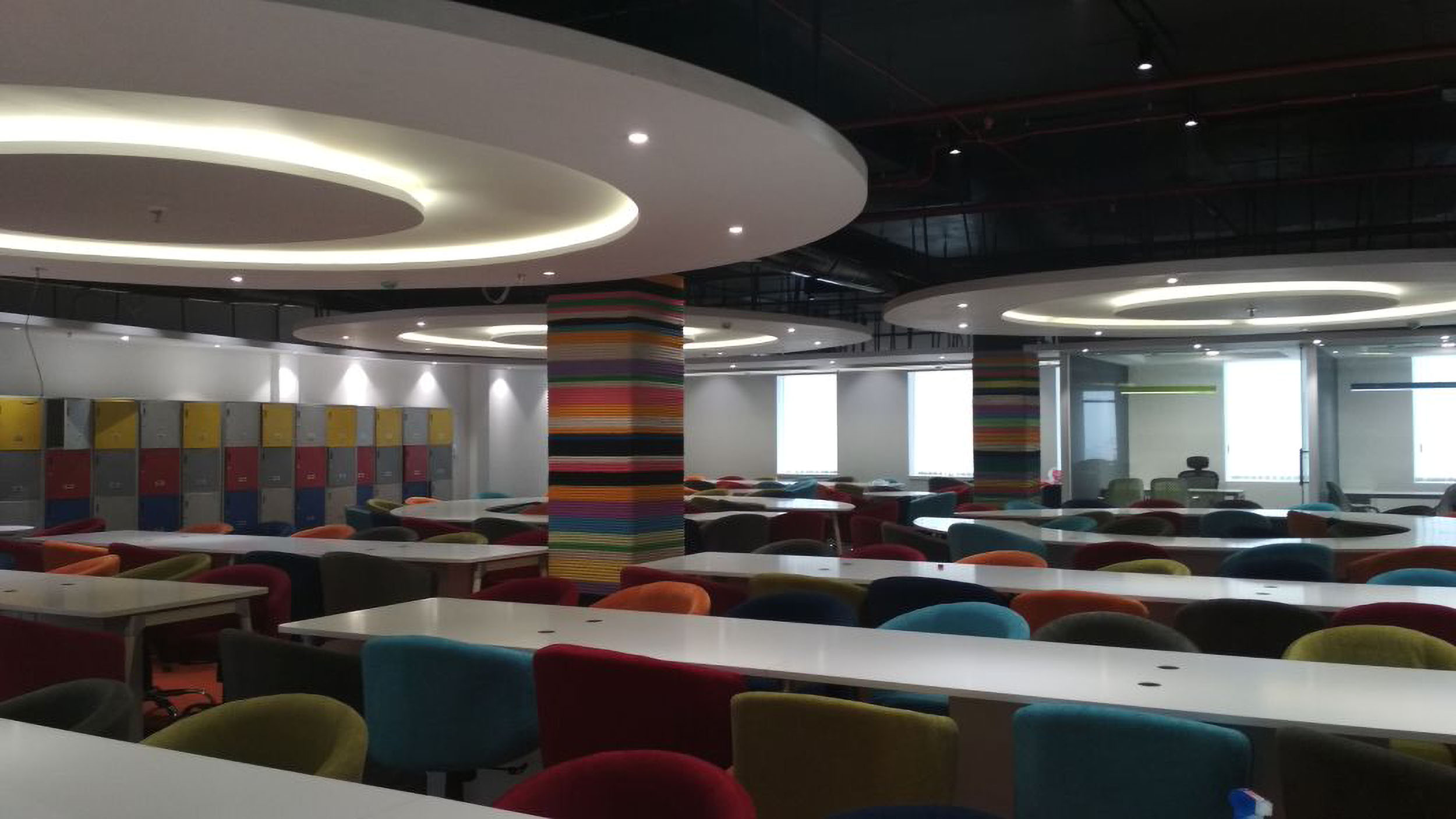
Human needs, technological advancements, and cultural shifts have always shaped the evolution of architecture. While organic architecture focuses on harmonising built environments with nature, inorganic architecture takes a different route. It embraces man-made materials, geometric precision, engineered systems, and controlled environments to create functional, efficient, and often futuristic spaces.
Inorganic architecture is not merely the opposite of organic design; it is a philosophy rooted in innovation, rationality, and the pursuit of structural excellence. It prioritises durability, scalability, and performance, making it a dominant approach in urban development, commercial infrastructure, and modern housing.
Understanding Inorganic Architecture
Inorganic architecture refers to a design philosophy that relies on artificial, industrial, and engineered materials rather than natural ones. It focuses on precision, efficiency, and adaptability, often resulting in clean lines, geometric forms, and technologically advanced structures.
Unlike organic architecture, which seeks to merge with nature, inorganic architecture creates a clear distinction between the built environment and the natural world. It is driven by logic, performance, and the need to accommodate growing urban populations.
At its core, inorganic architecture aims to create spaces that are:
- Structurally efficient
- Functionally optimised
- Technologically integrated
- Scalable for urban expansion
Is Inorganic Architecture Merely Aesthetic?
This is a frequently debated topic. Some critics argue that inorganic architecture prioritises visual impact and modern aesthetics over emotional connection. However, this is only partially true.
Inorganic architecture is not just about appearance—it is about performance. While aesthetics often emerge from geometric precision and material finishes, the primary focus remains on functionality, durability, and efficiency.
In this philosophy:
- Form often follows function
- Materials are chosen for performance rather than natural appeal
- Design solutions are driven by engineering logic
Therefore, aesthetics are a byproduct rather than the primary goal.
Core Principles of Inorganic Architecture
Rational Design and Geometry
Inorganic architecture is deeply rooted in mathematical precision and geometric clarity. Unlike organic forms that mimic natural curves, inorganic structures rely on:
- Straight lines and sharp edges
- Symmetry and repetition
- Modular grids
These elements create a sense of order, predictability, and efficiency.
Separation from Nature
While organic architecture seeks integration, inorganic architecture establishes independence. Buildings are designed to function irrespective of natural surroundings. This includes:
- Controlled indoor environments
- Artificial lighting and ventilation systems
- Climate-controlled interiors
Technological Integration
Technology plays a central role in inorganic architecture. From smart systems to automated building management, technology enhances functionality and user experience. Examples include:
- Smart lighting and HVAC systems
- Automated security and access control
- Energy-efficient glass and insulation
Material Efficiency
Materials in inorganic architecture are selected based on strength, longevity, and adaptability rather than natural origin. Common considerations include:
- Load-bearing capacity
- Resistance to weather and wear
- Ease of maintenance
Shape of Things in Inorganic Design
Historically, architectural forms were influenced by natural surroundings. However, the rise of industrialisation introduced new materials and construction techniques that enabled unconventional forms.
Inorganic architecture embraces:
- Cuboidal and rectangular structures
- High-rise vertical developments
- Abstract and futuristic forms
These shapes are not derived from nature but from engineering possibilities and urban requirements. In modern cities, skyscrapers, office complexes, and industrial buildings are prime examples of this approach.
Building Materials in Inorganic Architecture
One of the defining aspects of inorganic architecture is its reliance on artificial and industrial materials. These materials offer consistency, strength, and scalability.
Common Materials Used
| Material | Key Properties | Usage in Architecture |
|---|---|---|
| Concrete | High compressive strength | Foundations, walls, structures |
| Steel | High tensile strength | Frameworks, skyscrapers |
| Glass | Transparency, modern appeal | Facades, windows, partitions |
| Aluminium | Lightweight, corrosion-resistant | Cladding, panels |
| Plastics & Composites | Versatile, durable | Interiors, modular components |
These materials allow architects to create structures that are:
- Uniform in appearance
- Durable over long periods
- Easy to replicate and scale
Material Behaviour and Performance
Unlike natural materials, inorganic materials behave predictably under stress and environmental conditions. This predictability allows for:
- Accurate structural calculations
- Faster construction timelines
- Reduced maintenance costs
Spatial Planning in Inorganic Architecture
Human needs remain central to any architectural philosophy. However, inorganic architecture approaches spatial planning differently.
Functional Zoning
Spaces are clearly defined and optimised for specific purposes. Unlike organic designs that promote fluidity, inorganic architecture emphasises structure and organisation. Common divisions include:
- Residential zones
- Commercial areas
- Industrial sections
- Utility and service spaces
Efficiency Over Fluidity
Spaces are designed for maximum efficiency, often resulting in:
- Compact layouts
- Standardised room sizes
- Optimised circulation paths
Vertical Expansion
With increasing urban density, inorganic architecture supports vertical growth. High-rise buildings maximise land use and accommodate large populations.
Inorganic vs Organic Architecture
Understanding the contrast between the two philosophies helps in appreciating their unique contributions.
| Aspect | Organic Architecture | Inorganic Architecture |
|---|---|---|
| Inspiration | Nature | Technology and engineering |
| Materials | Natural (wood, stone, bamboo) | Industrial (steel, concrete, glass) |
| Form | Curved, fluid | Geometric, rigid |
| Relationship with Nature | Integrated | Independent |
| Design Focus | Harmony and experience | Functionality and efficiency |
Both approaches serve different purposes and often coexist in modern design.
Advantages of Inorganic Architecture
- Durability and Strength - Inorganic materials like steel and concrete offer exceptional strength, making structures resilient to environmental stress.
- Scalability - This approach is ideal for urban development where large-scale construction is required.
- Cost Efficiency - Standardised materials and construction methods reduce costs and timelines.
- Technological Compatibility - Inorganic architecture easily integrates with modern technologies, enhancing comfort and convenience.
- Predictability - Engineered materials provide consistent performance, reducing risks in construction.
Challenges and Criticism
Despite its advantages, inorganic architecture is not without criticism.
- Lack of Emotional Connection - Spaces may feel impersonal or disconnected from nature.
- Environmental Impact - The production of materials like cement and steel contributes to carbon emissions.
- Over-Standardisation - Excessive uniformity can lead to monotonous urban landscapes.
- Dependence on Technology - Reliance on artificial systems increases energy consumption and maintenance needs.
Modern Trends in Inorganic Architecture
The contemporary architectural landscape is evolving to address the limitations of purely inorganic design.
Hybrid Approaches
Architects are blending inorganic materials with natural elements to create balanced environments.
Sustainable Innovations
Efforts are being made to reduce environmental impact through:
- Recycled materials
- Energy-efficient systems
- Green building certifications
Smart Buildings
Integration of AI and IoT is redefining inorganic architecture, making buildings more responsive and efficient.
The Future of Inorganic Architecture
As cities continue to grow, inorganic architecture will remain a key player in shaping urban environments. However, its future lies in adaptability and sustainability.
The focus is shifting towards:
- Reducing environmental impact
- Enhancing user experience
- Integrating with natural systems where necessary
Rather than existing in isolation, inorganic architecture is gradually evolving into a more balanced and responsive design philosophy.
Conclusion
Inorganic architecture represents the strength of human innovation and engineering. It is a philosophy that prioritises efficiency, durability, and scalability, making it indispensable in modern urban development.
While it may lack the emotional warmth of organic design, its ability to create structured, high-performing environments cannot be overlooked. The challenge lies in refining this approach to address environmental concerns and human well-being.
Ultimately, the future of architecture will not be about choosing between organic and inorganic; it will be about intelligently combining the strengths of both to create spaces that are functional, sustainable, and meaningful.