
Interior Design in India: Trends, Styles, and Costs.
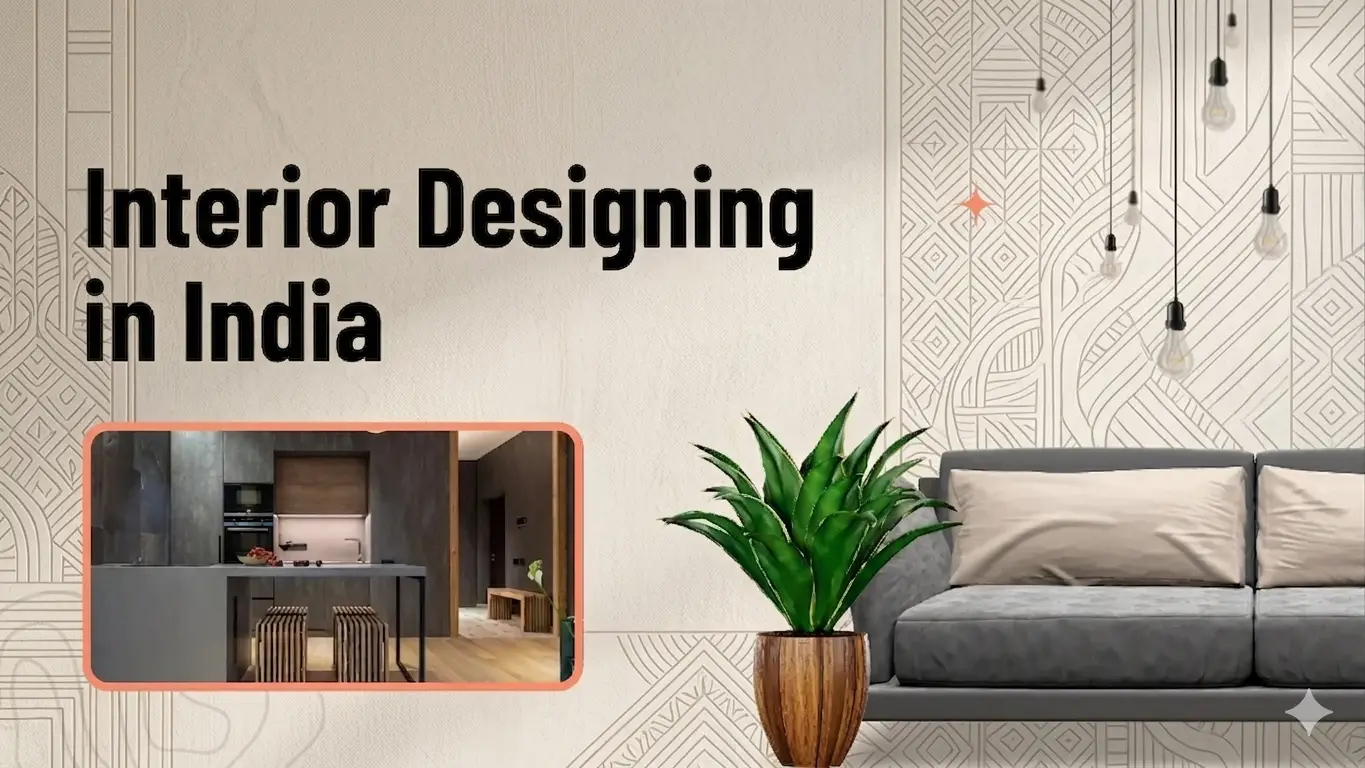
Interior design in India has evolved significantly over the years, blending cultural richness with modern functionality. From traditional Indian homes with intricate craftsmanship to contemporary urban apartments, the design landscape reflects diversity, creativity, and innovation.
With rising urbanization and changing lifestyles, interior design is no longer a luxury but a necessity for creating comfortable, functional, and aesthetically pleasing spaces. This guide explores everything you need to know about interior design in India, including styles, trends, costs, and practical tips.
What is Interior Design?
Interior design involves thoughtfully planning and organizing indoor spaces to make them both visually appealing and comfortable for everyday living. It involves planning layouts, selecting materials, choosing color schemes, and integrating furniture and décor elements.
In India, interior design often incorporates cultural elements, regional influences, and modern innovations to create unique spaces.
Evolution of Interior Design in India
Interior design in India has deep roots in history, influenced by various dynasties, cultures, and traditions.
Traditional Era
- Use of natural materials like wood, stone, and clay
- Intricate carvings and handcrafted furniture
- Vibrant colors and textiles
Colonial Influence
- Introduction of European furniture styles
- Symmetry and formal layouts
- Use of lighter color palettes
Modern Era
- Minimalist designs
- Space-saving furniture
- Smart home integration
Popular Interior Design Styles in India
India offers a wide range of interior design styles, catering to diverse preferences and budgets.
1. Traditional Indian Style
Characterized by rich textures, carved furniture, and vibrant colors.
2. Contemporary Style
Focuses on clean lines, neutral tones, and functionality.
3. Minimalist Design
Emphasizes simplicity, decluttered spaces, and essential elements only.
4. Modern Indian Fusion
A seamless blend of classic cultural influences with contemporary design sensibilities
5. Industrial Style
Exposed brick walls, metal finishes, and open layouts.
6. Scandinavian Style
Light colors, natural materials, and cozy interiors.
Key Elements of Interior Design in India
Designing a space requires careful attention to multiple elements.
1. Space Planning
Efficient use of available space is crucial, especially in urban homes.
2. Color Palette
Colors influence mood and perception.
3. Lighting
A combination of natural and artificial lighting enhances ambiance.
4. Furniture
Functional and aesthetic furniture defines the space.
5. Materials and Textures
Wood, marble, glass, and fabrics add depth and character.
6. Décor and Accessories
Artwork, plants, and textiles personalize the space.
Room-Wise Interior Design Ideas
Living Room
- Use statement furniture
- Add layered lighting
- Incorporate rugs and artwork
Bedroom
- Focus on comfort and relaxation
- Use soft lighting
- Choose calming color schemes
Kitchen
- Modular designs for efficiency
- Smart storage solutions
- Durable materials
Bathroom
- Use modern fixtures
- Optimize storage
- Maintain proper ventilation
Latest Interior Design Trends in India
Interior styles across India continue to change with shifting lifestyles, cultural influences, and modern innovations.
1. Sustainable Design
Use of eco-friendly materials and energy-efficient solutions.
2. Smart Homes
Incorporating advanced technology to control illumination, safety features, and household devices seamlessly.
3. Multi-Functional Spaces
Furniture that serves multiple purposes.
4. Biophilic Design
Incorporating natural elements like plants and natural light./p>
5. Bold Colors and Patterns
Experimenting with vibrant hues and textures.
Cost of Interior Design in India
The cost of interior design varies depending on factors like location, materials, and design complexity.
| Type of Interior | Estimated Cost (Per Sq. Ft.) |
|---|---|
| Basic Interior | ₹1,500 – ₹2,500 |
| Mid-Range Interior | ₹2,500 – ₹4,000 |
| Luxury Interior | ₹4,000 - ₹8,000+ |
Factors Affecting Cost
- Size of the space
- Material quality
- Customization level
- Designer fees
- Location
Benefits of Interior Design
1. Improved Functionality
Optimizes space usage and layout.
2. Enhanced Aesthetics
Creates visually appealing environments.
3. Increased Property Value
Well-designed interiors boost market value.
4. Better Comfort and Lifestyle
Enhances daily living experience.
Interior Design for Small Homes in India
With increasing urbanization, small homes are becoming common.
Tips for Small Spaces
- Use light colors to create openness
- Opt for multi-functional furniture
- Use vertical storage solutions
- Keep the design minimal
Choosing the Right Interior Designer in India
Selecting the right professional is crucial for achieving desired results.
Things to Consider
- Portfolio and experience
- Client reviews
- Budget compatibility
- Design style alignment
- Transparency in pricing
DIY vs Professional Interior Design
Below is a simplified structure of what your Excel timeline might look like.
| Aspect | DIY Design | Design |
|---|---|---|
| Cost | Lower | Higher |
| Expertise | Limited | High |
| Time | More time-consuming | Efficient |
| Outcome | Depends on skills | Professional finish |
Common Mistakes to Avoid
- Ignoring functionality
- Overcrowding spaces
- Poor lighting choices
- Lack of planning
- Following trends blindly
Future of Interior Design in India
The future of interior design in India looks promising with advancements in technology and growing awareness.
Key Developments
- Increased use of AI and 3D visualization
- Sustainable and eco-friendly designs
- Personalized interiors
- Growth of online design services
Conclusion
Interior design in India is a dynamic blend of tradition and modernity. It reflects cultural diversity while adapting to contemporary needs. Whether designing a compact apartment or a luxury villa, the right approach to interior design can transform any space into a functional and aesthetically pleasing environment.
By understanding styles, trends, and practical considerations, homeowners can make informed decisions and create spaces that truly reflect their personality and lifestyle.