
Job Duties of Interior Designer
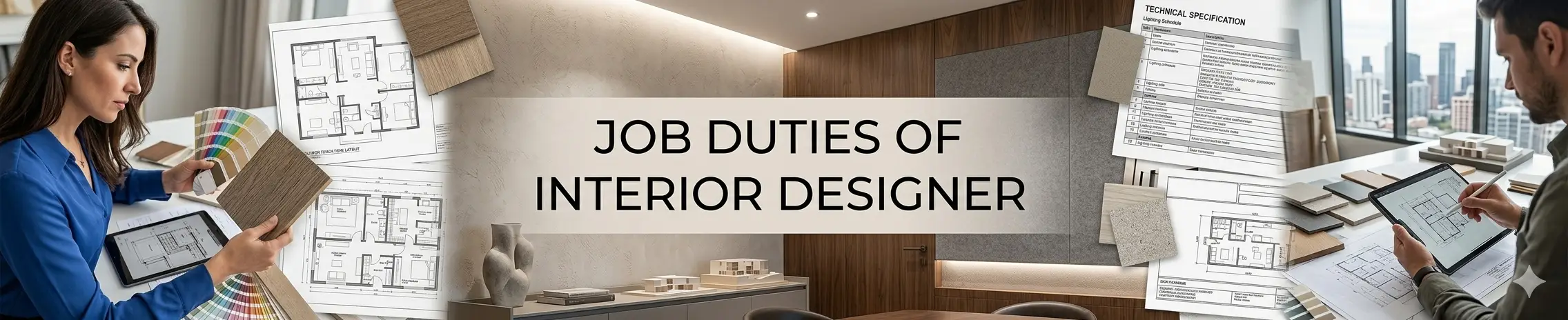
Spatial styling goes far beyond placing décor pieces or choosing shades. It is a detailed, strategic, and creative profession that transforms spaces into functional, aesthetically pleasing, and personalized environments. The job duties of interior designer professionals extend across multiple stages of a project, from initial consultation to final execution and evaluation.
An interior designer plays a critical role in shaping how a space is experienced. Whether it is a residential home, a commercial office, or a hospitality project, the designer ensures that every element aligns with the client’s vision while maintaining practicality and efficiency.
This guide explores the comprehensive job duties of interior designer professionals, offering insights into their responsibilities, processes, and the value they bring to any project.
Understanding the Role of an Interior Designer
The job duties of interior designer professionals revolve around creating spaces that are both functional and visually appealing. Their role requires a balance of creativity, technical knowledge, and project management skills.
Interior designers are responsible for:
- Interpreting client requirements
- Developing design concepts
- Managing resources and timelines
- Coordinating with multiple stakeholders
Their work ensures that a space is not only beautiful but also efficient, safe, and tailored to the user’s needs.
Client Consultation and Needs Assessment
The first and most crucial step in the job duties of interior design professionals is understanding the client’s vision.
Key Responsibilities
- Conducting detailed client meetings
- Understanding lifestyle, preferences, and expectations
- Defining project scope and objectives
- Identifying budget constraints and timelines
This stage ensures clarity and helps avoid misunderstandings later in the process.
Space Planning and Layout Design
Space planning is one of the most technical aspects of the job duties of interior design professionals. It focuses on optimizing how a space is used.
Key Considerations
- Efficient furniture placement
- Smooth traffic flow
- Functional zoning of spaces
- Maximizing available area
Interior designers create detailed layouts and floor plans to ensure that every square foot is used effectively.
Concept Development and Design Creation
Once the requirements are clear, designers move into the creative phase.
Elements of Concept Development
- Creating mood boards and design themes
- Selecting color palettes
- Choosing materials and textures
- Aligning design with client preferences
This phase defines the overall look and feel of the space.
Selection of Fixtures, Finishes, and Furnishings
A significant part of the job duties of interior designer professionals involves selecting materials and products that bring the design to life.
Common Selections
| Category | Examples | Purpose |
|---|---|---|
| Flooring | Tiles, wood, marble | Durability and aesthetics |
| Wall Finishes | Paint, wallpaper, textures | Visual appeal |
| Lighting Fixtures | Chandeliers, LED lights | Ambience and functionality |
| Furniture | Sofas, tables, storage units | Comfort and usability |
| Hardware | Handles, fittings | Practical detailing |
Designers ensure that all selections align with quality standards, budget, and design intent.
Coordination with Contractors and Vendors
Interior designers do not work in isolation. Collaboration is a critical part of their responsibilities.
Key Tasks
- Communicating design details to contractors
- Coordinating with suppliers and vendors
- Ensuring the timely delivery of materials
- Resolving on-site challenges
Effective coordination ensures that the project progresses smoothly without delays.
Project Management and Budgeting
Managing a project efficiently is one of the most demanding job duties of interior design professionals.
Responsibilities Include
- Creating project timelines
- Monitoring progress at every stage
- Managing budgets and expenses
- Providing cost estimates and updates
A well-managed project ensures timely completion and avoids unnecessary costs.
Custom Design and Millwork
In many projects, standard solutions are not enough. Interior designers often create custom elements tailored to specific needs.
Examples of Custom Work
- Built-in wardrobes and cabinetry
- Custom furniture pieces
- Decorative panels and partitions
- Specialized storage solutions
Designers work closely with craftsmen to ensure that these elements meet design and quality standards.
Coordination of Installation and Styling
As the project nears completion, designers oversee the installation process and finalize the space.
Key Responsibilities
- Supervising the installation of furniture and fixtures
- Ensuring design accuracy
- Styling and accessorizing the space
- Adding finishing touches
This stage transforms the design concept into a fully realized environment.
Quality Assurance and Post-Occupancy Evaluation
Quality control is an essential part of the job duties of interior design professionals.
Tasks Involved
- Inspecting completed work
- Ensuring all elements meet specifications
- Identifying and resolving issues
- Gathering client feedback
Post-occupancy evaluation helps improve future projects and ensures client satisfaction.
Continuing Education and Professional Development
The design industry is constantly evolving. Interior designers must stay updated with the latest trends, materials, and technologies.
Methods of Learning
- Attending workshops and seminars
- Participating in industry events
- Exploring new design tools and software
- Studying emerging trends
Continuous learning helps designers deliver innovative and relevant solutions.
Overview of Job Duties of an Interior Designer
| Responsibility Area | Key Activities | Outcome |
|---|---|---|
| Client Consultation | Understanding needs and goals | Clear project direction |
| Space Planning | Layout design and optimization | Functional spaces |
| Concept Development | Design themes and ideas | Cohesive visual identity |
| Material Selection | Choosing finishes and furnishings | Enhanced aesthetics |
| Coordination | Working with contractors and vendors | Smooth execution |
| Project Management | Budgeting and scheduling | Timely completion |
| Custom Design | Creating bespoke elements | Unique spaces |
| Installation & Styling | Final setup and detailing | Complete design realization |
| Quality Assurance | Inspection and feedback | High-quality outcomes |
Skills Required for Interior Designers
To effectively perform the job duties of interior designer professionals, certain skills are essential.
Core Skills
- Creativity and design thinking
- Technical knowledge of materials and construction
- Communication and interpersonal skills
- Project management abilities
- Attention to detail
These skills enable designers to handle complex projects and deliver exceptional results.
Importance of Interior Designers in Modern Spaces
Interior designers play a vital role in enhancing both residential and commercial environments. Professional knowledge guarantees environments remain attractive while delivering usability and performance.
Key Contributions
- Improved functionality and usability
- Enhanced aesthetic appeal
- Better space utilization
- Increased property value
Their work directly impacts how people interact with and experience a space.
Challenges Faced by Interior Designers
Despite their expertise, interior designers often face challenges in their work.
Common Challenges
- Managing client expectations
- Staying within budget constraints
- Coordinating with multiple stakeholders
- Adapting to changing project requirements
The Future of Interior Design
The future of interior design is being shaped by technology, sustainability, and changing lifestyle needs.
Emerging Trends
- Smart and automated interiors
- Sustainable and eco-friendly materials
- Minimalist and multifunctional spaces
- Digital design tools and visualization
These trends are redefining the job duties of interior designer professionals, making the role more dynamic and technology-driven.
Final Thoughts
The job duties of interior designer professionals extend far beyond aesthetics. They involve a comprehensive process that includes planning, designing, coordinating, and executing projects with precision.
From understanding client needs to delivering a fully realized space, interior designers ensure that every element works in harmony. Their ability to combine creativity with functionality makes them indispensable in modern architecture and design.
Whether designing a home, office, or commercial space, interior designers play a crucial role in creating environments that enhance comfort, efficiency, and overall quality of life.