
Mastering Interior Design:
Essential Project Management Tips
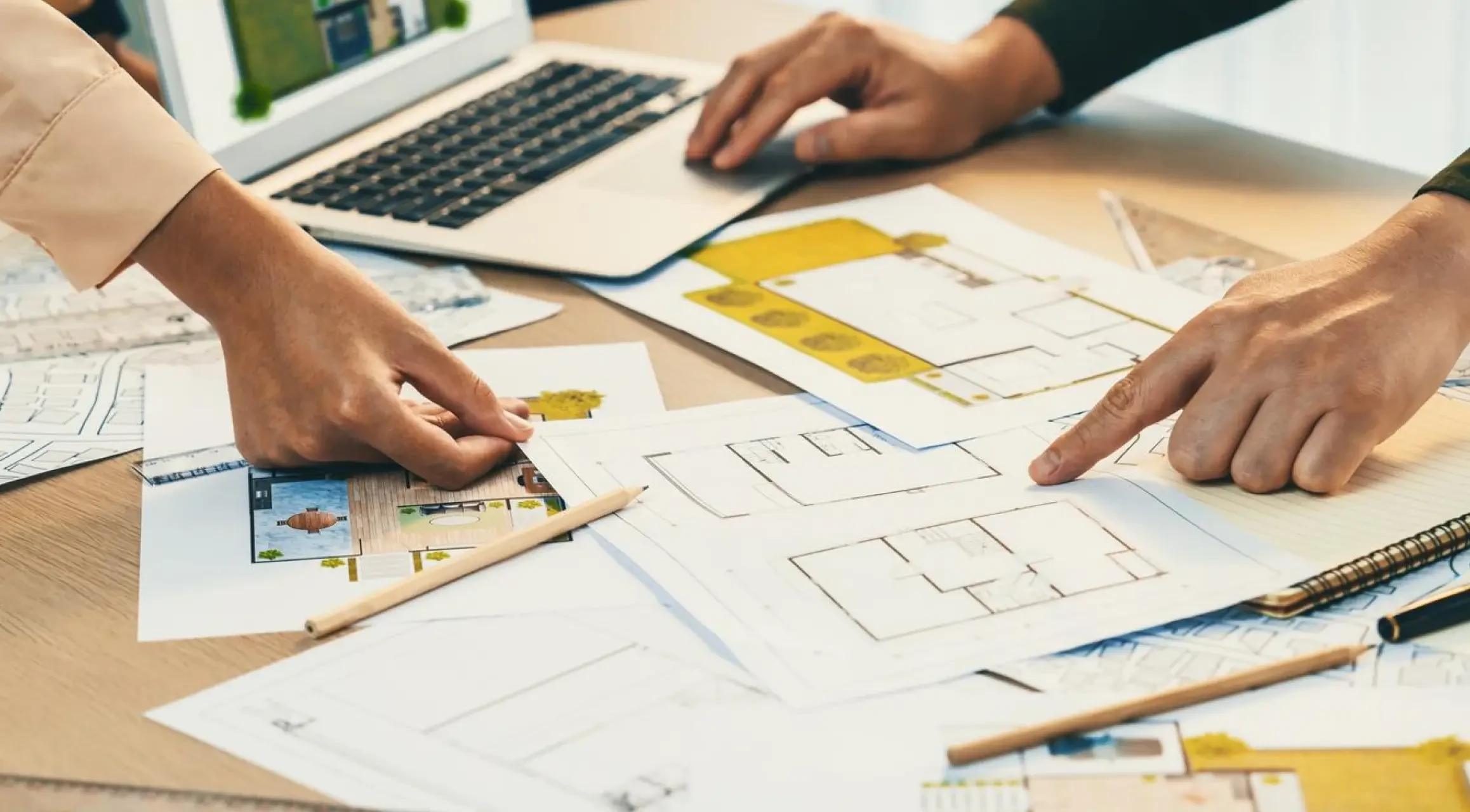
Grasping how planning and coordination function within space styling and décor execution.
Interior design is more than just selecting fabrics and arranging furniture; it is a complex process that requires meticulous planning, coordination, and execution. The role of project management in interior design is to ensure that every phase of the project is executed smoothly, timelines are adhered to, and the outcome aligns with the client's vision. Project management acts as the backbone of any interior design project, providing structure and direction from the initial concept to the final reveal.
Effective project management in interior design involves a variety of tasks, including scheduling, resource allocation, budgeting, and risk management. It requires a holistic approach where every aspect of the project is considered and managed efficiently. A well-managed project not only meets the deadlines but also stays within budget and achieves the desired aesthetic and functional goals. Without solid project management, even the most creative and innovative design ideas can fall flat.
Moreover, project management in interior design is crucial for maintaining client relationships and ensuring satisfaction. Clients invest not just money but also trust in the designer’s ability to deliver their dream space.
Key Phases of Interior Design Project Management
Every interior design project goes through several key phases, each with its own set of tasks and objectives. The first phase is the conceptualization phase, where the designer meets with the client to understand their needs, preferences, and budget. This phase involves a lot of brainstorming and idea generation to create a vision that aligns with the client’s expectations.
The second phase is the planning phase, where the ideas generated during the conceptualization phase are transformed into actionable plans. This includes creating detailed design plans, selecting materials, finalizing color schemes, and preparing budgets and timelines. During this phase, it is crucial to involve all stakeholders, including clients, contractors, and suppliers, to ensure that everyone is on the same page and any potential issues are addressed early.
The third phase is the execution phase, where the actual work begins. This involves coordinating with contractors, managing resources, and ensuring that the project stays on track.
Setting clear goals and objectives is the foundation of any successful interior design project. Without clear goals, it is easy for projects to go off track, leading to delays, budget overruns, and unsatisfied clients. Goals and objectives provide a roadmap for the project, outlining what needs to be achieved and how it will be done.
Budgeting and Financial Management in Interior Design
Budgeting and financial management are critical aspects of interior design project management. A well-planned budget ensures that the project stays within financial constraints and helps avoid unexpected expenses. It involves estimating costs for materials, labor, and other expenses, and setting aside a contingency fund for unforeseen issues.
Creating a detailed budget starts with understanding the client’s financial constraints and priorities. This involves discussing their budget and what they are willing to spend on different aspects of the project. Once the budget is established, it is important to break it down into categories, such as materials, labor, and contingency. This helps in tracking expenses and ensuring that funds are allocated appropriately.
Regular monitoring and updating of the budget are crucial to avoid overspending. This involves keeping track of all expenses, comparing them with the budget, and making adjustments as needed. Effective financial management also involves negotiating with suppliers and contractors to get the best prices and ensuring that payments are made on time. By managing the budget effectively, designers can ensure that the project stays within financial constraints and delivers the desired results without compromising on quality.
Effective Communication with Clients and Stakeholders
Effective communication is the cornerstone of successful interior design project management. It involves clear, transparent, and regular communication with clients, contractors, suppliers, and other stakeholders. Good communication ensures that everyone is on the same page, expectations are managed, and any issues are addressed promptly.
When communicating with clients, it is important to listen to their needs and preferences and provide regular updates on the progress of the project. This involves discussing design ideas, timelines, budgets, and any potential issues. Open dialogue fosters confidence while guaranteeing that the client’s concept is faithfully reflected in the completed design outcome.
Time Management Strategies for Interior Design Projects
Time management is a critical aspect of interior design project management. Delays can lead to increased costs, dissatisfied clients, and a negative impact on the designer’s reputation. Effective time management involves planning, scheduling, and monitoring to ensure that the project stays on track and is completed within the agreed-upon timeframe.
One of the key strategies for effective time management is creating a detailed project schedule. This involves breaking down the project into tasks, estimating the time required for each task, and setting deadlines. A well-planned schedule provides a clear roadmap for the project and helps in keeping track of progress. Regularly reviewing and updating the schedule ensures that any delays are promptly addressed.
Tools and Software for Streamlining Project Management
In today’s digital age, there are numerous tools and software available that can help streamline project management for interior design projects. These tools can help in planning, scheduling, budgeting, communication, and monitoring, making it easier to manage the project efficiently.
Project management software, such as Trello, Asana, and Monday.com, can help in creating detailed project plans, assigning tasks, setting deadlines, and tracking progress. These tools provide a centralized platform for managing the project and ensure that everyone is on the same page. They also allow for real-time updates and collaboration, making it easier to address any issues promptly.
Budgeting and financial management tools, such as QuickBooks and FreshBooks, can help in creating detailed budgets, tracking expenses, and managing payments. These tools provide a clear overview of the financial status of the project and ensure that the budget is managed effectively.
Managing Resources and Vendors Efficiently
Managing resources and vendors efficiently is crucial for the success of any interior design project. This involves coordinating with contractors, suppliers, and other vendors to ensure that materials and services are delivered on time and within budget. Effective resource management ensures that the project stays on track and any potential issues are addressed promptly.
One of the key strategies for managing resources efficiently is building strong relationships with vendors and suppliers. This involves regular communication, negotiating prices, and ensuring that payments are made on time. By building strong relationships, designers can ensure that they get the best prices and services and that any potential issues are promptly addressed.
Another important strategy is creating a detailed resource plan. This involves identifying the resources required for the project, estimating the quantities, and setting deadlines for delivery.
Common Challenges in Interior Design Project Management
Interior design project management is not without its challenges. From managing client expectations to dealing with unforeseen issues, designers often face a variety of challenges that can impact the success of the project. One of the most common challenges is managing client expectations. Clients often have high expectations and changing preferences, which can lead to delays and increased costs. Effective communication and regular updates can help in managing client expectations and ensuring that any issues are promptly addressed.
Another common challenge is dealing with unforeseen issues, such as delays in delivery, budget overruns, and quality issues. These issues can impact the timeline and budget of the project and lead to client dissatisfaction. Effective risk management, regular monitoring, and prompt resolution of issues can help in mitigating these challenges and ensuring that the project stays on track.
Conclusion : Elevating Your Interior Design Projects Through Effective Management
Mastering interior design is not just about creativity and aesthetics; it is also about effective project management. By understanding the role of project management, setting clear goals and objectives, managing budgets, and maintaining effective communication, designers can ensure that their projects are successful and meet the client’s expectations. Effective time management, leveraging tools and software, and managing resources and vendors efficiently are also crucial for the success of any interior design project.