
Natural Designs
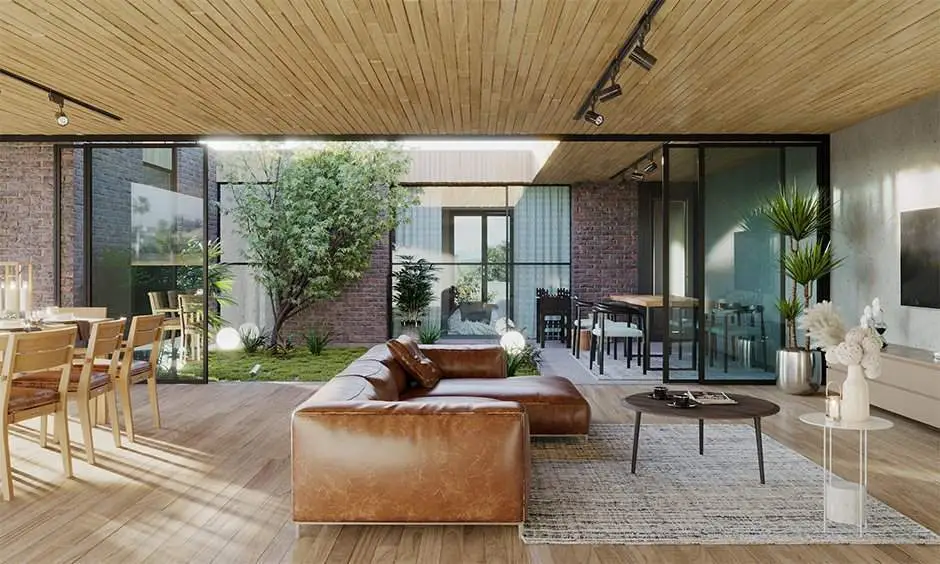
Natural designs are reshaping how we approach landscapes, architecture, and living environments. Rooted in the idea of working with nature rather than against it, this design philosophy blends aesthetics, sustainability, and functionality. Whether you’re planning a backyard transformation, a balcony upgrade, or a large-scale landscape project, embracing natural designs can create spaces that feel organic, calming, and timeless.
This comprehensive guide explores everything from natural landscape design and stone landscaping ideas to biophilic living and naturalistic planting design, helping you bring nature closer to your everyday life.
What Are Natural Designs?
Natural designs focus on integrating natural elements such as stone, water, plants, and organic shapes into built environments. Inspired by pioneers like Ian McHarg, natural design landscapes emphasize ecological balance and sustainability.
Instead of rigid geometry and artificial materials, this approach celebrates:
- Native plants and wildlife garden design
- Natural rock formations and stone textures
- Organic layouts inspired by natural landscapes
- Water features like ponds and natural design pools
The result is a space that evolves naturally and requires less maintenance over time.
Principles of Natural Landscape Design
Understanding the core principles helps you create a cohesive and functional outdoor space.
1. Work With the Land
Natural landscape architecture respects the existing terrain. Slopes, soil types, and water flow guide design decisions rather than being altered aggressively.
2. Use Native Materials
Materials like sandstone, pebble stone, and black stone landscape elements blend seamlessly with surroundings while being durable and sustainable.
3. Encourage Biodiversity
Wildlife garden design supports birds, pollinators, and beneficial insects, making your garden more vibrant and ecologically balanced.
4. Mimic Natural Patterns
Naturalistic planting design avoids symmetry and instead replicates how plants grow in the wild clustered, layered, and varied.
Natural Landscaping Ideas for Every Space
Natural designs can be adapted to spaces of all sizes, from expansive yards to compact balconies.
Front Yard and Backyard Transformations
A natural landscape front yard can include stone pathways, layered planting, and natural rock retaining wall ideas. For backyards, consider natural pond landscaping ideas or natural design pools for a tranquil retreat.
Balcony and Small Space Design
Balcony stone design and bamboo tree design can create a mini natural oasis. Pebble stone design and vertical biophilic wall design are excellent for compact spaces.
Nature Strip Landscaping
Nature strip garden ideas use hardy native plants and stone edging to create low-maintenance yet visually appealing roadside greenery.
Stone Landscaping: A Timeless Natural Element
Stone plays a crucial role in natural garden design. It adds texture, structure, and durability.
Popular Stone Landscaping Ideas
| Stone Type | Best Use Case | Visual Impact |
|---|---|---|
| Sandstone | Pathways, patios | Warm and earthy |
| Pebble Stone | Garden beds, water features | Soft and natural |
| Black Stone | Modern landscapes | Bold and striking |
| White Stone | Front yard accents | Clean and bright |
Landscaping ideas with natural stone also include stone flower beds designs, lawn stone design, and stone landscaping front yard features.
Natural Rock and Retaining Wall Ideas
Natural rock garden ideas bring authenticity to your landscape. Retaining walls made from natural stone not only prevent soil erosion but also add rustic charm.
Benefits of Natural Rock Retaining Walls
- Durable and long-lasting
- Blends with the environment
- Supports natural drainage
- Enhances visual appeal
These natural retaining wall ideas are ideal for sloped terrains and layered garden designs.
Water Features in Natural Designs
Water elements elevate the sensory experience of any landscape.
Natural Pond and Pool Designs
Natural pond design ideas replicate ecosystems with aquatic plants and fish. Pond pool designs combine swimming areas with natural filtration systems.
Advantages of Natural Water Features
- Supports biodiversity
- Reduces chemical usage
- Creates a calming atmosphere
Natural design pools are increasingly popular for eco-conscious homeowners.
Naturalistic Garden Design and Planting
Naturalistic garden design focuses on creating landscapes that look and behave like natural ecosystems.
Key Elements of Naturalistic Planting
- Layered vegetation (ground cover, shrubs, trees)
- Seasonal diversity
- Native and adaptive species
This approach reduces maintenance while enhancing visual appeal throughout the year.
Biophilic Living: Bringing Nature Indoors
Biophilic living extends natural designs into interiors, improving well-being and productivity.
Popular Biophilic Design Features
- Indoor plants and green walls
- Natural materials like wood and stone
- Large windows for natural light
- Biophilic wall design for vertical greenery
Research shows that biophilic environments can reduce stress and improve mental clarity, making them ideal for homes and workplaces.
Natural Garden Ideas for Modern Living
Modern lifestyles can still embrace nature through thoughtful design.
Creative Natural Garden Ideas
- Landscape stone garden design with mixed textures
- Bamboo tree design for privacy and greenery
- Pebble stone garden ideas for minimalist aesthetics
- Natural stage decoration for events and outdoor gatherings
These ideas combine functionality with aesthetic appeal.
Choosing the Right Natural Landscape Company
Hiring a professional natural landscape company ensures your vision is executed effectively.
What to Look For
- Experience in naturalistic landscape design
- Knowledge of native plants
- Sustainable practices
- Portfolio of natural design landscapes
Companies like Nature by Design LLC or Design with Nature LLC often specialize in eco-friendly and naturalistic approaches.
Natural Designs vs Traditional Landscaping
| Aspect | Natural Designs | Traditional Landscaping |
|---|---|---|
| Layout | Organic and flowing | Symmetrical and structured |
| Materials | Natural stone, native plants | Concrete, exotic plants |
| Maintenance | Low | High |
| Environmental Impact | Sustainable | Often resource-intensive |
Natural designs offer long-term benefits both aesthetically and environmentally.
Future Trends in Natural Design Landscapes
The demand for sustainable living is driving innovation in natural designs.
Emerging Trends
- Ge landscape approaches integrating technology and ecology
- Second nature garden design concepts
- Natural design pools with advanced filtration
- Wildlife-friendly urban gardens
These trends highlight a shift toward more responsible and nature-integrated living.
Conclusion
Natural designs are more than a trend—they represent a fundamental shift in how we interact with our environment. From natural landscaping ideas and stone garden designs to biophilic living and naturalistic planting, this approach creates spaces that are not only beautiful but also sustainable and restorative.
Whether you're designing a backyard, a balcony, or an entire landscape, embracing nature-inspired principles will help you create a space that feels authentic, functional, and timeless.