
What is Hospitality Interior Design?
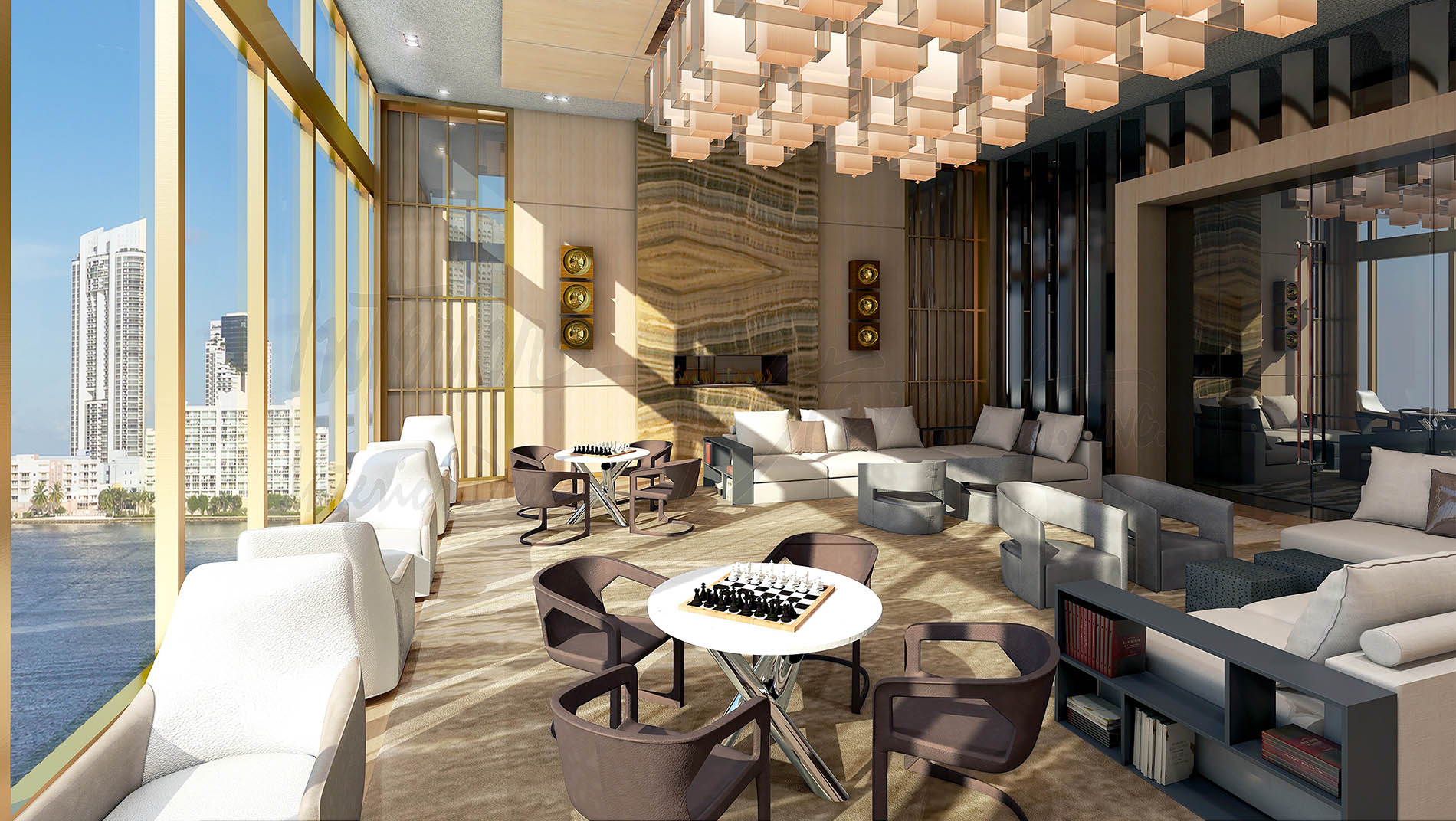
Hospitality interior design is the process of designing commercial spaces such as hotels, restaurants, cafés, resorts, lounges, and wellness centres to create a comfortable, functional, and memorable experience for guests. It combines aesthetics with practicality, ensuring that a space not only looks appealing but also supports smooth operations.
Unlike residential interior design, which focuses on personal preferences, hospitality design is created for a wide range of users. The goal is to make guests feel welcome, encourage them to stay longer, and leave a lasting impression that brings them back.
Why Hospitality Interior Design Matters
In the hospitality industry, design plays a critical role in shaping first impressions. Guests often form opinions within seconds of entering a space, and those impressions influence their overall experience.
A well-designed environment improves comfort, enhances navigation, and creates a strong emotional connection with the brand. It also supports business performance by encouraging repeat visits and positive reviews.
Key benefits include:
- Creates a strong first impression
- Enhances guest comfort and satisfaction
- Builds brand identity
- Improves operational efficiency
- Encourages repeat business
Key Elements of Hospitality Interior Design
A successful hospitality space is built using several important elements that work together.
- Space Planning - Ensures smooth movement for guests and staff while making efficient use of available space.
- Lighting - Sets the mood of the space and enhances both functionality and ambience.
- Furniture and Fixtures - Must be comfortable, durable, and suitable for heavy usage.
- Colours and Materials - Define the overall atmosphere and should balance aesthetics with maintenance needs.
- Brand Identity - All design elements should reflect the brand's personality and remain consistent throughout the space.
Types of Hospitality Spaces
Different hospitality environments require different design approaches.
| Type of Space | Design Focus |
|---|---|
| Hotels and Resorts | Comfort, luxury, and guest experience |
| Restaurants and Cafés | Ambience, seating, and dining flow |
| Bars and Lounges | Lighting, mood, and social interaction |
| Spas and Wellness Centres | Relaxation and calmness |
| Event Spaces | Flexibility and functionality |
Core Principles of Hospitality Interior Design
Functionality is always the priority. A space must work efficiently for both guests and staff before focusing on aesthetics. Poor layouts can affect comfort and operations.
A guest-centric approach is essential. Designers must understand the needs and expectations of the target audience to create a meaningful experience.
Consistency helps build a strong identity. Every element, from layout to décor, should feel connected and aligned with the brand.
Durability is equally important. Materials and furniture must handle constant use while maintaining their quality.
Flexibility allows spaces to adapt to changing needs, such as events or seasonal updates.
Latest Trends in Hospitality Interior Design
Hospitality design continues to evolve with changing customer expectations.
Sustainability has become a major focus, with businesses choosing eco-friendly materials and energy-efficient solutions.
Biophilic design is gaining popularity, incorporating natural elements like plants and natural light to create a calming environment.
Technology integration is also transforming spaces, with features like smart lighting and digital systems becoming common.
Minimal designs with a touch of luxury are widely preferred, offering a clean yet sophisticated look.
Hospitality vs Residential Interior Design
| Aspect | Hospitality Design | Residential Design |
|---|---|---|
| Purpose | Guest experience and business goals | Personal comfort |
| Usage | High traffic and frequent use | Limited usage |
| Durability | High durability required | Moderate durability |
| Design Focus | Branding and functionality | Personal style |
Steps Involved in Designing a Hospitality Space
Designing a hospitality space begins with understanding the client's vision and brand identity. This is followed by analysing the site and developing a concept that aligns with the business goals.
Designers then plan layouts, select materials, and choose furniture that fits the concept. The execution phase brings everything together, followed by final styling to complete the space.
Challenges in Hospitality Interior Design
Hospitality design comes with several challenges.
Balancing aesthetics with practicality is one of the biggest concerns. A design must look good but also perform well in real conditions.
Budget limitations often require creative solutions without compromising quality.
Keeping up with trends while maintaining a timeless design is another challenge. Spaces should remain relevant for years.
Safety regulations and operational requirements must also be carefully considered.
How Hospitality Interior Design Impacts Business
A well-designed space can significantly improve business performance. It attracts customers, enhances their experience, and encourages repeat visits.
It also strengthens brand recognition and can act as a marketing tool, especially when visually appealing spaces are shared on social media.
Additionally, good design improves staff efficiency, leading to better service and smoother operations.
Conclusion
Hospitality interior design goes beyond decoration. It focuses on creating spaces that are functional, visually appealing, and aligned with a brand's identity.
A well-designed environment enhances guest experience, improves efficiency, and contributes to long-term business success, making it an essential part of the hospitality industry.