Commercial and Hospitality Interior Design
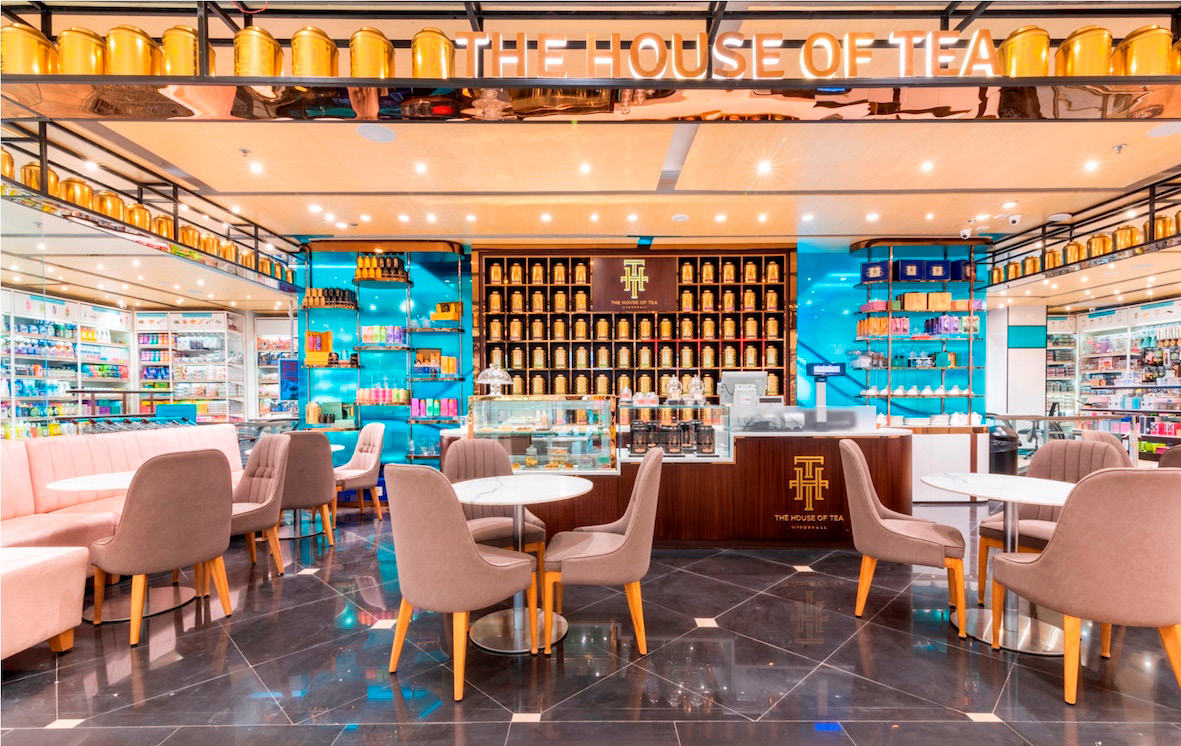
Commercial and hospitality interior design has evolved into a strategic discipline that goes far beyond aesthetics. Today, it plays a critical role in shaping customer experiences, strengthening brand identity, and improving operational efficiency. Whether it’s a corporate office, retail outlet, hotel, or restaurant, thoughtfully designed interiors directly impact how people perceive and interact with a space.
This blog explores the key aspects of commercial and hospitality interior design, covering planning, trends, materials, challenges, and best practices to help businesses create impactful environments.
Understanding Commercial and Hospitality Interior Design
Commercial and hospitality interior design refers to designing spaces used for business, service, or customer interaction. While both fall under the commercial umbrella, hospitality design focuses more on customer experience, comfort, and emotional connection.
Commercial interior design typically includes offices, retail stores, healthcare facilities, and co-working spaces. Hospitality interior design includes hotels, resorts, restaurants, cafes, and lounges. The primary goal is to create functional, safe, and visually appealing environments that align with business objectives.
Key Differences Between Commercial and Hospitality Design
| Aspect | Commercial Interior Design | Hospitality Interior Design |
|---|---|---|
| Purpose | Functionality and productivity | Guest experience and comfort |
| Users | Employees, clients | Guests, visitors |
| Design Focus | Efficiency, branding | Ambience, storytelling |
| Layout | Structured and practical | Fluid and experiential |
| Emotional Impact | Moderate | High |
While both require strong planning and execution, hospitality design demands a deeper focus on ambiance and sensory experience.
Importance of Commercial and Hospitality Interior Design
A well-designed space is not just visually pleasing; it delivers measurable results. Businesses today recognize that interior design directly influences customer behavior, employee productivity, and brand perception.
First impressions are formed within seconds. A thoughtfully designed reception area or storefront can attract customers and build trust instantly. In hospitality spaces, design influences how long guests stay, how much they spend, and whether they return.
Additionally, efficient layouts reduce operational costs. Smart space planning ensures better movement, reduces clutter, and improves workflow. For offices, ergonomic design enhances employee comfort and productivity.
Core Elements of Effective Interior Design
Successful commercial and hospitality interior design is built on several essential elements that work together seamlessly.
- Space Planning - Space planning is the foundation of any design project. It involves organizing layouts to ensure optimal flow and functionality. In offices, this means balancing open and private spaces. In hospitality, it ensures smooth guest movement and service efficiency, and behind the scenes it drives commercial kitchen layout and fit-out decisions that determine whether service holds up during a rush.
- Lighting Design - Lighting plays a crucial role in setting the mood and functionality of a space. Natural light is preferred wherever possible, while artificial lighting is layered using ambient, task, and accent lighting.
- Material Selection - Materials define the look, durability, and maintenance of interiors. High-traffic areas require durable materials, while hospitality spaces often use premium finishes to enhance luxury.
- Color Psychology - Colors influence emotions and behavior. Warm tones create a welcoming atmosphere in restaurants, while neutral tones enhance focus in offices.
- Furniture and Fixtures - Furniture should be both functional and aesthetically aligned with the brand. In hospitality, comfort is key, while in commercial spaces, ergonomics and flexibility are essential.
- Branding Integration - Interior design should reflect the brand’s identity. From color schemes to signage, every element should communicate the brand story consistently.
Design Process for Commercial and Hospitality Projects
A structured approach ensures successful project execution. The process typically includes the following stages:
| Stage | Description |
|---|---|
| Requirement Analysis | Identifying client requirements, defining the target audience, and aligning strategies with overall business objectives. |
| Concept Development | Creating design themes, mood boards, and layouts. |
| Design Detailing | Finalizing materials, furniture, and technical drawings. |
| Budget Planning | Estimating costs and optimizing resources. |
| Execution | On-site implementation and coordination. |
| Final Handover | Quality checks and project completion. |
Each stage requires collaboration between designers, architects, contractors, and stakeholders.
Latest Trends in Commercial and Hospitality Interior Design
Interior design trends continue to evolve with changing user expectations and technological advancements.
- Sustainable Design - Eco-friendly materials, energy-efficient lighting, and sustainable practices are becoming essential.
- Biophilic Design - Incorporating natural elements such as plants, water features, and natural light enhances well-being and creates a calming environment.
- Smart Technology Integration - Automation, smart lighting, and digital interfaces are transforming how spaces function. Hotels now offer smart rooms, while offices use IoT-enabled systems.
- Flexible Spaces - Multi-functional spaces are in demand, especially in offices and co-working environments. Furniture and layouts are designed to adapt to different needs.
- Experience-Driven Design - In hospitality, creating memorable experiences is key. Unique themes, immersive interiors, and personalized touches are gaining popularity.
Challenges in Commercial and Hospitality Interior Design
Designing commercial and hospitality spaces comes with its own set of challenges.
Budget constraints often limit material and design choices. Designers must balance quality and cost effectively. Time constraints are another major challenge, especially for businesses that need quick turnarounds.
Compliance with safety regulations and building codes is crucial. Designers must ensure fire safety, accessibility, and structural requirements are met.
Another challenge is maintaining consistency across multiple locations. Businesses operating across multiple locations need a consistent design identity while still tailoring elements to suit regional preferences and surroundings.
Cost Factors in Interior Design Projects
The cost of commercial and hospitality interior design depends on several factors:
| Factor | Impact on Cost |
|---|---|
| Project Size | Larger spaces require more materials and labor. |
| Material Quality | Premium materials increase costs. |
| Design Complexity | Custom designs and detailing add to expenses. |
| Location | Costs vary based on city and accessibility. |
| Timeline | Urgent projects may increase labor costs. |
Proper budgeting and planning help avoid unexpected expenses.
Tips for Successful Interior Design Projects
To achieve the best results, businesses should follow a strategic approach.
Clearly define objectives before starting the project. Understand whether the focus is on branding, customer experience, or operational efficiency.
Choose experienced professionals who understand both design and business requirements. Collaboration and communication throughout the project are essential.
Invest in quality materials and finishes, especially in high-traffic areas. This ensures durability and reduces long-term maintenance costs.
Stay updated with trends but avoid overdesigning. Timeless designs offer better longevity and value.
Role of Interior Design in Branding and Customer Experience
Interior design is a powerful branding tool. It communicates a brand’s personality without words. From layout to lighting, every detail contributes to the overall experience.
In hospitality, design creates emotional connections. A well-designed hotel lobby or restaurant can leave a lasting impression and encourage repeat visits.
In commercial spaces, design influences employee morale and client perception. A professional and well-organized environment builds trust and credibility.
Future of Commercial and Hospitality Interior Design
The future of interior design lies in personalization, sustainability, and technology. Businesses are moving towards designs that adapt to user preferences and behavior.
Virtual reality and 3D visualization are transforming how designs are presented and executed.
Sustainability will continue to play a major role, with more emphasis on eco-friendly materials and energy efficiency.
As user expectations evolve, interior design will become even more integral to business success.