
Organic Architecture
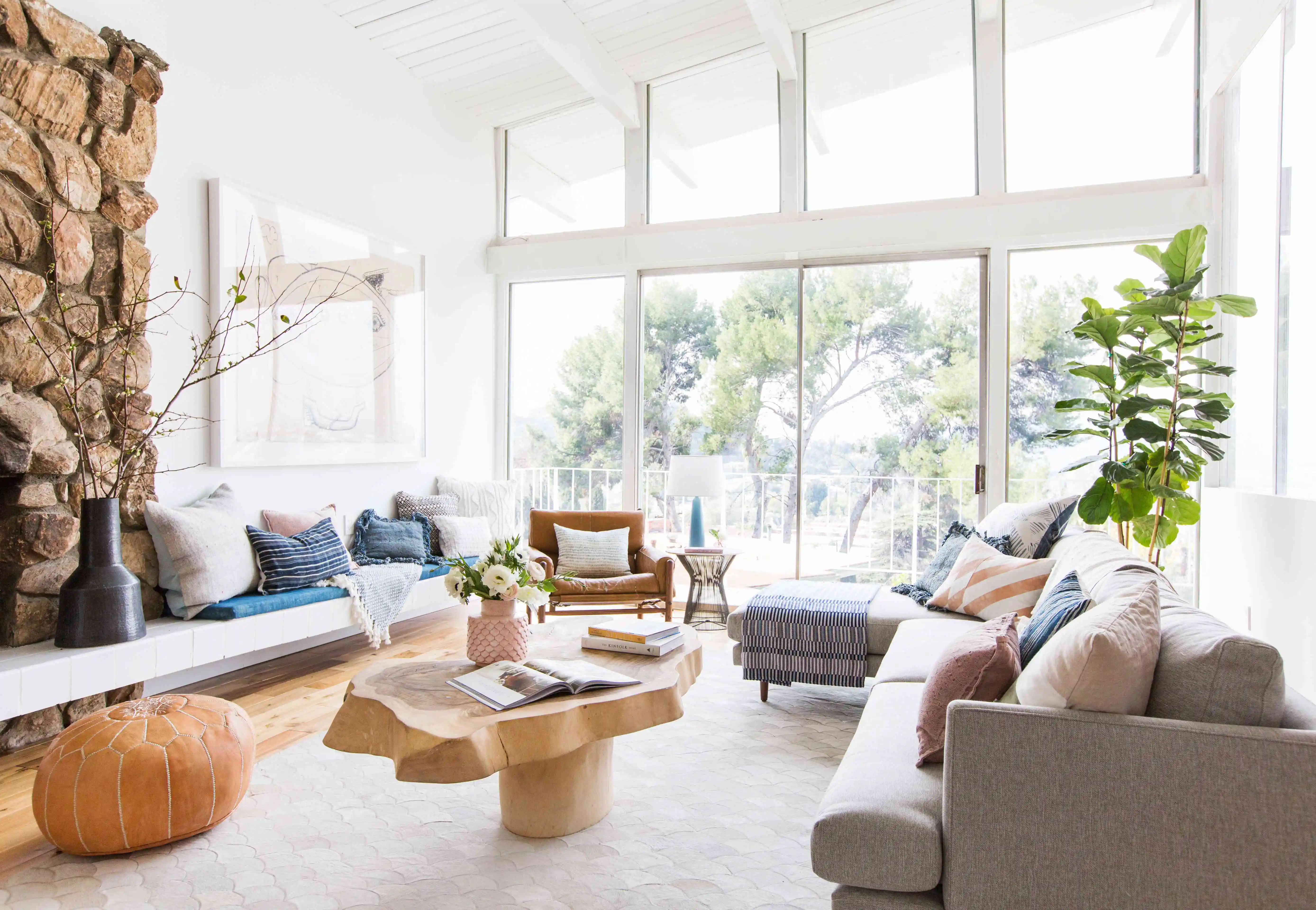
The concept of organic in architecture is not new; in fact, it has been shaping the built environment for decades. Introduced and popularised by Frank Lloyd Wright, this philosophy goes beyond mere construction. It represents a deeper approach to designing spaces that coexist with nature rather than compete against it.
Organic architecture is rooted in the idea that natural forms, materials, and processes should inspire buildings. It focuses on creating spaces that feel intuitive, human-centric, and environmentally connected. In today's rapidly urbanising world, this approach is gaining renewed importance as architects strive to create sustainable and meaningful environments.
Understanding Organic Architecture
Organic architecture refers to a design philosophy that integrates human habitats with the natural environment. It is not just about using natural materials but about creating a seamless relationship between structure, surroundings, and inhabitants. At its core, this approach aims to:
- Respect natural landscapes
- Use materials that complement the environment
- Design spaces that feel fluid and connected
- Enhance the physical and emotional well-being of users
Unlike rigid architectural styles, organic architecture evolves from its context, making every design unique and site-specific.
The Philosophy Behind Organic Architecture
Organic architecture is deeply influenced by the belief that nature is the ultimate source of design inspiration. Often associated with the idea of "bionic design," it reflects patterns, structures, and systems found in nature.
This philosophy focuses on:
- Unity between building and environment
- Human comfort and emotional connection
- Sustainability and ecological balance
Rather than imposing structures onto land, organic architecture allows the design to emerge naturally from its surroundings.
Is Organic Architecture About Style or Philosophy?
This question has long been debated among architects and designers. While organic in architecture does produce visually appealing structures, it is not driven primarily by aesthetics.
Instead, it is a philosophy that prioritises:
- Functionality aligned with natural systems
- Use of natural and locally sourced materials
- Integration of design with environmental conditions
Aesthetics become a natural outcome of this process rather than the primary goal. The true essence lies in achieving harmony between built spaces and nature.
Shape of Things in Organic Design
One of the defining features of organic in architecture is its approach to form and shape. Unlike conventional designs that rely on straight lines and rigid geometries, organic architecture embraces fluidity and natural patterns.
Key Characteristics of Organic Forms
- Curved and flowing lines
- Asymmetrical structures
- Forms inspired by landscapes, plants, and living organisms
Historically, many traditional structures unknowingly followed organic principles. However, with industrialisation, architecture shifted towards rigid and artificial forms. Today, there is a renewed interest in returning to nature-inspired shapes. These forms are not arbitrary; they are designed to be intuitive, comfortable, and aligned with human behaviour.
Building Materials in Organic Architecture
Materials play a crucial role in defining organic in architecture. The emphasis is on using natural, sustainable, and locally available resources that blend seamlessly with the environment.
Common Materials Used
| Material | Characteristics | Application in Design |
|---|---|---|
| Wood | Warm, renewable | Structures, interiors, finishes |
| Bamboo | Flexible, sustainable | Frameworks, partitions |
| Stone | Durable, natural aesthetic | Walls, flooring |
| Clay & Earth | Eco-friendly, insulating | Walls, finishes |
| Natural Oils & Waxes | Non-toxic finishes | Surface treatments |
These materials not only reduce environmental impact but also create spaces that feel warm and inviting.
Seamless Integration of Materials
Nature is inherently cohesive despite its diversity. Organic in architecture replicates this by:
- Blending different materials harmoniously
- Avoiding abrupt transitions
- Creating continuity between indoor and outdoor spaces
This approach ensures that the built environment feels like an extension of nature.
Dedicated Spaces and Spatial Flow
While nature is fluid and unstructured, human life requires organised spaces. Organic architecture addresses this balance by creating defined spaces without disrupting flow.
Spatial Characteristics
- Open floor plans for flexibility
- Minimal barriers between spaces
- Visual continuity through design elements
For example:
- Living areas seamlessly connect with outdoor spaces
- Large windows and glass panels enhance natural light
- Interiors avoid excessive compartmentalisation
This creates a sense of freedom while still meeting functional requirements.
Human-Centric Design in Organic Architecture
Organic architecture places human experience at the centre of design. It considers not just physical needs but also emotional and psychological well-being.
Key Elements
- Natural lighting and ventilation
- Connection with greenery and landscapes
- Use of calming materials and textures
These elements contribute to:
- Reduced stress levels
- Improved comfort
- Enhanced overall quality of life
Organic Architecture in Modern India
In India, organic architecture is gaining traction as architects explore sustainable and context-driven design solutions. Cities like Mumbai are witnessing a growing interest in blending natural elements with modern construction.
Architectural firms are adopting strategies such as:
- Integrating green spaces within urban environments
- Using local materials to reduce environmental impact
- Designing climate-responsive buildings
This shift reflects a broader awareness of sustainability and environmental responsibility.
Benefits of Organic in Architecture
Organic architecture offers several advantages that go beyond aesthetics.
Environmental Benefits
- Reduced carbon footprint
- Efficient use of natural resources
- Better energy performance
Functional Benefits
- Improved thermal comfort
- Enhanced ventilation
- Adaptability to surroundings
Emotional and Social Benefits
- Strong connection with nature
- Sense of belonging and well-being
- Spaces that promote relaxation and mindfulness
Challenges in Organic Architecture
Despite its advantages, organic architecture comes with certain challenges.
- Design Complexity: Creating fluid and nature-inspired forms requires advanced design expertise and creativity.
- Cost Considerations: Natural materials and custom designs can sometimes increase costs.
- Maintenance: Some natural materials require regular upkeep to maintain their quality.
- Balancing Nature and Protection: While organic architecture seeks to blend with nature, it must also protect against environmental factors such as weather and natural hazards.
Organic vs Inorganic Architecture
Understanding the contrast helps in appreciating the unique strengths of each approach.
| Aspect | Organic Architecture | Inorganic Architecture |
|---|---|---|
| Inspiration | Nature | Technology and engineering |
| Materials | Natural and sustainable | Industrial and synthetic |
| Form | Fluid and irregular | Structured and geometric |
| Design Approach | Integration with the environment | Separation from the environment |
| Focus | Harmony and well-being | Efficiency and scalability |
Both approaches have their place in modern architecture, often complementing each other.
The Future of Organic in Architecture
The future of organic in architecture lies in innovation and sustainability. As environmental concerns grow, architects are increasingly turning towards nature-inspired solutions.
Emerging trends include:
- Integration of green technologies
- Use of sustainable construction methods
- Hybrid designs combining organic and modern elements
- Focus on wellness-oriented spaces
Organic architecture is no longer a niche concept; it is becoming a necessity in creating sustainable urban environments.
Conclusion
Organic architecture represents a thoughtful and holistic approach to design. It goes beyond aesthetics to create spaces that are functional, sustainable, and deeply connected to nature.
By embracing natural materials, fluid forms, and human-centric design, this philosophy offers a way to build environments that enhance both the planet and the people who inhabit it. In a world where urbanisation often leads to disconnection from nature, organic architecture provides a path towards balance, harmony, and meaningful living.